About Eggplant or aubergine ( Solanum melongena ) is a specific species of nightshade and is widely produced for its tasty fruit. In North America and Australia the fruit is called eggplant and in Sou
About Cucurbita or gourd is a genus of herbaceous vines belonging to the gourd family, Cucurbitaceae . Cucurbits, as they are also know, are indigenous to the Andes region and Mesoamerica. Currently,
About A melon can be any one of several plants belonging to the family of Cucurbitaceae . The melon plant produces a usually sweet and edible, fleshy fruit. The term "melon" is used for the plant, but
About Bedding plants are usually annual, biennial or tender perennial plants used in gardens and parks. There is a wide range of plants especially produced to demonstrate coloured flowers in spring an
About Mango is a stone fruit (drupe) that grows from various species of tropical trees that belong to the flowering plant genus Mangifera and the cashew family Anacardiaceae . Mangoes are indigenous t
About The common bean (also referred to as the string bean, field bean, flageolet bean, French bean, garden bean, green bean, haricot bean, pop bean, or snap bean) is a herbaceous annual plant. Botani
About The cucumber ( Cucumis sativus ) is a popular, extensively cultivated plant that belongs to the gourd family of Cucurbitaceae . The cucumber originates from South Asia, more particularly in Indi
America and Europe where it has caused severe yield losses in many berry crops, cherries and grapes. Damage symptoms After oviposition, the respiration
approach partners with nature to maintain the balance of ecosystems and protect crops without resorting to harmful chemicals. In biological pest control, beneficial [...] like parasitic wasps and predatory mites are introduced into agricultural crops to prey on or parasitize harmful pests like aphids , spider mites , whitefly
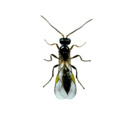
n site for at least a few days The dosage of Aphipar depends on climate, crop and aphid density and should always be adjusted to the particular situation [...] situation. Start introduction preventively soon after planting of the crop. Introduction rates typically range from 0.25-4 per m 2 /release. Releases should