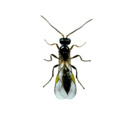
General The onion thrips (Thrips tabaci) is distributed throughout the world. It is found outdoors on many plants and particularly damaging on onions, leek, and in greenhouses on cucurbits, tomato, sw
General The red palm weevil ( Rhynchophorus ferrugineus ), also known as palm weevil, Asian palm weevil or Sago Palm Weevil originates from tropical Asia, but has spread to Africa and Europe with dist
General The broad mite (Polyphagotarsonemus latus) occurs in the tropics and in greenhouses in temperate regions. The broad mite (Polyphagotarsonemus latus) has a wide range of host plants, especially
monitor, attract and eliminate harmful bugs in different crop stages. With Koppert’s biological solutions for bugs, professional growers can protect their crops
experience and expertise, Koppert is a trusted source for growers seeking effective and reliable biological control solutions. Koppert offers various parasitic
control. Sticky traps help monitor and capture adult whiteflies. With Koppert’s biological solutions for whitefly, professional growers can maintain effective
General The tomato leaf miner (Liriomyza bryoniae) has many host plants and has caused crop damage in many parts of the world, including North Africa, Europe and northern Asia. In warmer regions, the
know more about Biological Crop Protection “The general conditions of Koppert (Koppert B.V. and/or of its affiliated companies) apply. Only use products that [...] conditions specified in local product registrations. Koppert cannot be held liable for unauthorized use. Koppert is not liable for any loss of quality if the product
Beneficial nematodes species Several species of beneficial nematodes are commonly used in biological pest control . These nematodes play a vital role in managing insect pests and are considered benefi