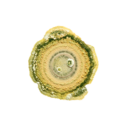
General Phomopsis sclerotioides is a plant pathogen infecting cucurbits, causing black root rot of cucurbits. Damage symptoms Phomopsis sclerotioides causes grey-black spots with a dark demarcation li
General New diseases in strawberry have been ascribed to Pestalotiopsis clavispora in the case of root and crown rot (of strawberry), first found in The Netherlands, and Pestalotiopsis longisetula in
General Ascochyta pisi is a fungal plant pathogen that causes A scochyta blight on pea (leaf blight or pea blight) and lesions of stems, leaves, and pods (pea leaf spot and pea pod spot). Damage sympt
General The only known stage in all Alternaria species is the asexual stage. Conidia and mycelium overwinter in the soil and on crop residues and cause primary infection of the leaves. Survival can be
General Ralstonia solanacearum is a plant pathogenic bacterium. It is a soil-borne disease and colonises the xylem, causing bacterial wilt and brown rot in a very wide range of potential host plants.
General Rhizobium bacteria are soil bacteria that fix nitrogen after becoming established inside root nodules of legumes. Additionally, pathogenic Agrobacterium s pecies have recently been assigned to
General Sclerotinia sclerotiorum, also known as cottony soft root, is a plant pathogenic fungus. It has a very wide range of host plants. Damage symptoms The first symptoms of a cottony soft root ( Sc
General Tilletia tritici and Tilletia laevis only differ in one gene and easily hybridize. There is debate whether they should indeed be considered separate species, since they cause the exact same sy
General Macrophomina phaseolina is a common soil fungus in warmer regions, causing charcoal rot. It has a very wide range of host crops, many of which are economically important food crops. Damage sym
General Mycosphaerella fijiensis also known as black sigatoka, is an ascomycete fungus that causes leaf-spot of banana. Damage symptoms Black sigatoka (Mycosphaerella fijiensis ) first causes small, l