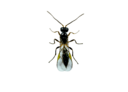
surface. Adult common crane flies emerge from the soil in late summer to fall, and females mate and lay 200-300 eggs. Larvae emerge within one week and
round and become more angular as they grow. The centre of the lesions may fall out as they become drier. Under humid conditions, the spots may merge with
tissue. In the infected host tissues, new sclerotia are formed. Wilting, falling of leaves and collapse of the whole plant may occur when the vessels become
caused by conidia extend faster and may merge. Infected fruits and leaves may fall off prematurely. The plants’ defence mechanism is to produce corky rings
Immatures have a light dusting of whitish-grey wax. The aphids instantly fall off the plant when touched.
upwards, often starting at one side of the plant. They turn brown but don’t fall off. On stems and shoots light stripes form, which then tear, allowing cankers
result of which growth is retarded. In full sunlight, leaves can wilt and fall. Such leaf damage can in turn influence the development of fruit and lead
Diese Hinweise dienen lediglich Informationszwecken und ersetzen auf keinen Fall die Beratung, Diagnose oder Behandlung eines Gesundheitsproblems durch einen
larvae mining the leaf tissue which can lead to desiccation, premature leaf-fall and cosmetic damage. In (sub)tropical areas this can lead to burning in fruit
crop. Treatment: Control plant diseases When prevention and early detection fall short, it's crucial to have effective treatment strategies at your disposal