colour. On the fruits, lesions first are small and sunken, water-soaked and light to dark brown. They are adjacent to wounds and natural openings at the stem
and pods are round, on the stems they are more elongated. The lesions are light brown, sunken and surrounded by a dark brown to red-brown border. The first
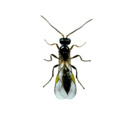
are inserted into the plant tissue with a saw-like ovipositor. Larvae are light to yellowish green in colour, with a large head and bright red eyes. The
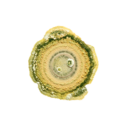
white fluffy fungal growth on the leaves. The centre is grey-brown with a light-green edge. On the stem, elongated brown lesions occur, usually circling
side of the plant. They turn brown but don’t fall off. On stems and shoots light stripes form, which then tear, allowing cankers to form. On tomato leaves
kidney-shaped marking and a red spot. They have broad hindwings, evenly light or dark grey or orange-yellow with a broad dark marginal stripe. The wingspan
rather squat, of medium size (1.8 - 3.0 mm long) and oval in shape. It has a light yellow-green to brown-green colour, and has an overall shiny appearance.
and impeding gas exchange. Sooty moulds grow on the honeydew, blocking the light from the leaves and reducing photosynthesis. Also due to the honeydew, cottony
includes an egg stage and five nymphal instars. The elongated-oval eggs are light yellow when freshly deposited and bright orange with two distinct red eye
miner ( Tuta absoluta ) are grey-brown with filiform antennae, alternating light or dark segments and recurved labial palps, that are well developed. Black