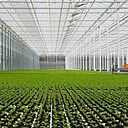
critical. Society expects more and more that agriculture is environmentally friendly and responsible. And that the vegetables consumers eat are safe. Future [...] . He emphasizes that the correct application of methods is essential for achieving optimal results. Koen's perspective highlights that effective crop [...] agriculture is hopeful. He believes that the reduction of chemical methods paves the way for organic alternatives that can complement traditional farming
in plants that have been weakened by some form of stress, from underfertilization to water stress (either too much or too little water), or that are damaged
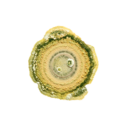
General Pythium is considered a ‘weak pathogen’, meaning that it can usually only affect plants that are in a sub-optimal condition or suffer from stress, [...] damaged spots. On the infected plant, new sporangia with zoospores are formed, that allow the disease to spread to neighbouring plants. The zoospores disperse
General Clavibacter is a quarantine organism in Europe, which means that strong efforts are used to prevent the bacterium from entering. When the occasional [...] field and potatoes from other fields on the farm, are labelled as ‘suspect’ that year. On the infected field no potatoes or other Solaneceaous crops can be [...] ooze with bacteria in the case of C lavibacter infection, but other than that the disease is difficult to distinguish from wilting caused by other pathogens
Koppert established the Koppert Foundation on their 50 th anniversary in 2017. This Foundation aims to contribute to sustainable solutions for horticulture and agriculture and improvement of the healt
About Originally from Mexico, Central and South America, this common tropical fruit is cultivated in many tropical and subtropical regions. A vivid yellow or green on the outside, Psidium guaiava, is
About Broad bean, fava bean, faba bean, field bean, bell bean, English bean, horse bean, Windsor bean, pigeon bean and tick bean are all different names for the Vicia faba , a flowering plant and spec
with more than 150,000 species, that are easily distinguishable from other insects. Many of the butterfly species that are active during the day can be [...] several species that damage greenhouse crops is the leafroller family, the Tortricidae. The name ‘leafroller’ refers to the fact that the caterpillars [...] Biological control of caterpillars Caterpillars are highly destructive pests that feed on leaves, stems and fruits, causing serious damage to greenhouse and
varieties that all vary in flavour, colour, size and time it takes to mature. The vegetable has a particular sharp or sometimes pungent flavour that derives [...] radish ( Raphanus raphanistrum subsp. Sativus ) is an edible root vegetable that belongs to the Brassicaceae family. This plant was already domesticated in [...] derives from the chemical components that are produced by the plant, namely glucosinolate, myrosinase, and isothiocyanate. Radish is now produced and consumed
Within these leaves, the fungus forms pseudothecia, which produce ascospores that are released during spring and initiate new infections. In mild climates [...] Once primary lesions develop on leaves or fruit, the fungus produces conidia that are spread by rain splash and wind. Under favorable conditions, multiple [...] Koppert supports sustainable orchard management with beneficial microorganisms that contribute to healthy root development, improved plant vigor, and increased