zoospores produced in the sporangia. For germination on above-ground plant parts, leaf wetness is required. Dispersal by wind and rain causes the pathogen to be
can shrivel. Onion thrips (Thrips tabaci) is found mostly along the main leaf veins, with most damage evident where these veins join. Fruit damage, for
zoospores produced in the sporangia. For germination on above-ground plant parts, leaf wetness is required. Dispersal is by wind and rain causes the pathogen to
damping-off ’). In slightly older plants, the leaves lose their turgor or the leaf tips turn yellow, for example in flower bulbs. At first, the plants recover
in the crop can cause deformed growth above with lumpy leaves and curled leaf margins. The immediate effects of piercing by the aphids are visible in lower
f disease. In slightly older plants, the leaves lose their turgor or the leaf tips turn yellow, for example in flower bulbs. At first, the plants recover
result of larvae feeding on root hairs and tender roots as well as stem and leaf tissue and fruits. The lesions caused by feeding larvae provide invasion
in greenhouse and field crops. Their feeding and virus transmission cause leaf deformation, silvering and fruit damage, leading to reduced yield and ma
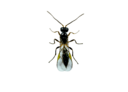
many ornamental crops. Western Flower Thrips Frankliniella occidentalis on a leaf Life cycle and appearance of Western flower thrips The western flower thrips
underside of leaves. This causes a window effect where the epidermis of the upper leaf surface remains undamaged. Young caterpillars are often found in groups,