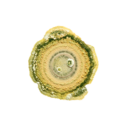
adult ‘females’ produce 500 to 2000 bright-red, oblong eggs over a period of 2 to 3 months. After leaving the egg sac, the crawlers settle along the midribs
Pest Management (IPM) programs. The free-living amoeba Willaertia magna C2c Maky is known for its ability to produce a wide range of bio-active compounds
mites are detected in the crop. Introduction rates typically range from 2-50 per m2/release. Releases should be repeated once or twice at weekly intervals
However, this is not universal among the Agromyzidae. Of the approximately 2,500 species in this family, only eleven are truly polyphagous. The species
younger vines than in older ones and faster in susceptible cultivars (within 2-3 years) than in more tolerant cultivars, which may survive more than five
planting of the crop. Introduction rates typically range from 0.25-4 per m 2 /release. Releases should be repeated at least 3 times. Consult a Koppert advisor
smaller and has only three pairs of legs. The emerging adult mite is roughly 0.2 mm long, oval and broad, and pale yellow or yellow-green, depending on the
visible in the crop. Introduction rates typically range from 0.25-3 per m 2 /release. Releases should be repeated at least 3 times at weekly intervals
paprikateelt. TBV–Tijdschrift voor Bedrijfs-en Verzekeringsgeneeskunde, 11(2), 47-52. Van Toorenenbergen, A. W., & Dieges, P. H. (1984). Occupational allergy
Conditions also apply to all Advice and Services provided by Koppert. (art. 2.1) General Terms and Conditions of Sale General Conditions for using this website