tangerine, grapefruit, citron, kumquat, and shaddock, widely cultivated for fruit or grown as an ornamental. It is believed that citrus plants are native to
garden plants, because of their attractive foliage, flowers and ornate red fruits. These plants grow in the shade and need a moist, well-drained, humus-rich
plate, it has already had a very long journey. The plant first has to form fruit before the tomato can actually start to grow. In nature, insects and other [...] other animals take care of the pollination and therefore the formation of fruit. Honeybees are traditional important pollinators of arable and horticultural
this can lead to burning in fruit such as tomato and melon . Loss of leaves also reduces yield. In full-grown plants of fruiting vegetable crops, however
founding in 2017, they have been clear about their goal: to produce high-value fruits, where they help ecosystems and offer a qualified product to consumers. [...] g 90% of total world consumption. In the last 10 years, exports of this fruit have had an average annual increase of 1.8% in volume and 11.4% in economic
mostly found after plants are well established and after plants begin bearing fruit or are subjected to stress. Severely infected plants collapse and die. When
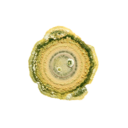
Fusarium fungi cause vascular wilt, root rot, foot and stem rot, leaf lesions, fruit rot, head blight in cereals and post-harvest decay. Fusarium oxysporum is
can easily rupture. Other symptoms are brown lesions on stem and foot. On fruits, dark sunken, leathery lesions occur at the side of the stem. Life cycle
only control pests effectively but also yield healthier, higher-quality fruits while minimizing environmental impact. The future of sustainable agriculture
Fusarium fungi cause vascular wilt, root rot, foot and stem rot, leaf lesions, fruit rot, fusarium head blight in cereals, such as wheat (fusarium head blight