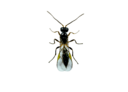
to apterae in appearance except that they are smaller. Size ranges from 1.5 to 2.6 mm in length. Females are viviparous and parthenogenetic, meaning that
Tuta absoluta (Phtorimaea absoluta) Tomato leafminer General The tomato leaf miner (Tuta absoluta), a major pest of field- and greenhouse-grown tomatoes, belongs to the family of Gelechiidae . It is o
Myzus persicae Green peach aphid General The green peach aphid ( Myzus persicae subsp. persicae ) is an important insect pest in sweet pepper, tomato, cucumber and many other greenhouse crops. The aph
Plutella xylostella Diamond back moth General The diamond back moth (Plutella xylostella) belongs to the family of Plutellidae . It only attacks Brassicaceae species, including cruciferous weeds. The
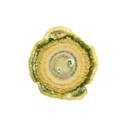
They are almost spherical with a flattened base and a diameter of about 0.5 mm. They are at first a shiny yellowish white, with their colour changing to
Aphis gossypii Cotton aphid General The cotton aphid ( Aphis gossypii ) is an extremely polyphagous aphid found on more than 700 plant species. Crop plants attacked by this aphid include cotton, citru
Fragaria × ananassa Strawberry About The so-called garden strawberry or Fragaria x ananassa , is nowadays extensively cultivated for its tasty fruit. The particular species of strawberry is a well-kno
Side Effects app Understand the impact of pesticides on beneficial organisms and pollinators Pesticides can have both direct and indirect effects on natural enemies and pollinators. Our Side Effects a
thrips are detected in the crop. Introduction rates typically range from 0.5-10 per m2/release. Releases should be repeated once or twice. Consult a Koppert
Cryptolaemus montrouzieri for mealybug control The predatory beetle Cryptolaemus montrouzieri is a species of beetle belonging to the family Coccinellidae. The beneficial insect is a small but highly