the easy stripping of the skin from the root cortex with a finger nail. Life cycle and appearance of Damping-off Pythium belongs to the Oomycetes, a separate
or grey. Severely affected leaves may turn yellow, curl up or drop off. Life cycle and appearance of Powdery mildew The fungi that cause powdery mildew (
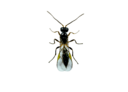
feed on aphids but require only nectar and water to sustain themselves. Life cycle and appearance of Aphidius ervi Aphidius ervi is a very dark aphid parasitoid
increases the crop's production costs. How to prevent southern blight Life cycle and appearance of southern blight The fungus Athelia (Sclerotium) rolfsii
During humid spells the surviving plants exhibit by necrotic leaf spots Life cycle and appearance of Root rot of carrots The fungus of R. carotae has delicate
purpose, including nutritional intake and pre-reproductive conditioning. Life cycle and appearance of Anagyrus vladimiri Adults show marked sexual dimorphism:
g aphids and spider mites . Gall midges have a unique and interesting life cycle that contributes to their effectiveness as biological control agents.
secretions, the parasite will not readily enter very dense aphid colonies. Life cycle and appearance of Aphidius colemani Female Aphidius spp. deposit an egg
the rest. Eventually, the whole root system is killed and the trees die. Life cycle and appearance of Pierce's disease of grapevine The bacteria live in xylem
does not feed on leafminers but sustains itself on nectar and honeydew. Life cycle and appearance of Diglyphus isaea Because Diglyphus isaea is an ectoparasite