or indirect destruction of the apical bud will lead to the death of the plant, which makes the red palm weevil ( Rhynchophorus ferrugineus ) a very harmful
to the particular situation. Start introduction preventively soon after planting of the crop. Introduction rates typically range from 0.25-2 per m 2 /release
species . The main host is tomato but it also feeds on other solanaceous crop plants including potato, eggplant, capsicum pepper and tobacco as well as weeds
pepper, and tomato. They primarily feed on flowers and fruit from the host plant, as well as on the corn of immature cobs and ears. Adults of corn earworm
management we currently have, was to understand the adaptability of insects to plants in open fields," said Carlos Canul, technical manager of Chula Brand Mexico
are small, oval-shaped, and usually laid individually or in clusters on plant foliage or near mealybug-infested areas. They are typically yellow-white
green areas of stems and pods causing whitening of the crop. Heavily damaged plants appear stunted and will, in most cases, die. On rapeseed, larvae also feed
survival and activity of existing beneficial species. Examples include planting specific flowers that provide shelter for beneficial insects like ladybugs
demonstration of immediate-type allergic reactivity to freesia and paprika plants. International Archives of Allergy and Immunology, 75(1), 44-47. Gisele
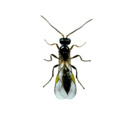
Leaf miner control with the parasitic wasp Diglyphus isaea Diglyphus isaea is a small parasitic wasp belonging to the family Eulophidae within the order Hymenoptera . It is widely recognized for its r