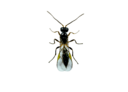
producing plants, younger Orius nymphs are mainly found on the leaves, whereas older nymphs and adults are mainly found in flowers. Life cycle of Orius laevigatus
conidiospores by water drops, tools and hands of workers. The ascospores are the main source of dispersal of disease upwards in the crop and the conidia for spread
Practice crop rotation, in particular when spores surviving in the soil are the main source of infection. Especially wheat and barley reduce the number of surviving
the soil and feed on roots and shoots (which they pull into the ground of mainly grasses and cereal crops. The adults do not cause any damage. Damage symptoms
shrivelled skins are difficult to find. Chrysoperla carnea larvae are active mainly during the night. The larvae hide during the day. Pack size 100,000 eggs
as teliospores in the soil or on seed. The soil-borne teliospores are the main source of primary infection. The soil-borne teliospores may survive in soil
the shoots of the host plants. The damage caused by the aphid colonies is mainly aesthetic due to the large amounts of sticky honeydew produced and the resulting
and adults cause damage to the host plant by feeding on plant sap. They mainly occur on the underside of leaves where they pierce the cells and suck out
themselves can shrivel. Onion thrips (Thrips tabaci) is found mostly along the main leaf veins, with most damage evident where these veins join. Fruit damage
drainage Disinfect recirculating nutrient solutions Increase the distance to the main substrate at the start by using higher substrate blocks for the seedlings