the area, in order to avoid interference Replace the sticky insert when largely covered by insects and/or debris Dosage Use two or four traps per hectare
silicone cover paper from both sides of the trap Replace the traps when largely covered by insects and/or debris Dosage For monitoring use one Horiver Drystick
late March or April (in the northern hemisphere) and around the end of May, large colonies covered by conspicuous white, sticky “wool” can be seen, mainly
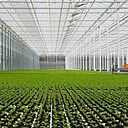
distributed to markets in Asia, Europe, North America, and domestically. The large production scale, high water demand, and pest pressures challenge the Los
sugars, but has a low protein content. Aphids therefore need to extract large quantities of sap to get sufficient protein. The excess sugar is secreted
plants and 50 cm above the ground for mature plants Replace the traps when largely covered by insects and/or debris Dosage For monitoring use one Horiver Wetstick
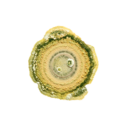
Once established, the fungus transitions into its asexual phase, producing large quantities of conidia. These spores are highly adapted for aerial dispersal
cause little direct damage to plants, they are often a problem due to their large number. Larvae of flies of the family Keroplatidae (mainly Lyprauta sp.)
white and yellow wax. The adult ‘females’ are easily recognized by their large size (up to 10 mm long), red-brown body colour and covering of granular,
maturity. Eggs are anchored to plant tissue in an upright position, and large numbers of eggs may be found on a single spot. Nymphs are green or dull orange