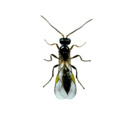
Damage symptoms Thrips cause damage to plants by piercing the cells of the surface tissues and sucking out their contents, causing the surrounding tissue to
attract the zoospores. The pathogen grows into the stem and on the plant surface and new sporangiophores (structures containing sporangia, a type of spores)
roepsallergie in de glas- en tuinbouw, Rotterdam, 2004, ISBN 90-90 185 25-9. Bælum, J., Enkegaard, A., Doekes, G., Skov, P. S., Kjærstad, M. B., & Sigsgaard
in the soil, with pupae of 14 to 18 mm long, with a brown, smooth body surface. Adult female cotton bollworms (Helicoverpa armigera) are brownish orange
wax ovisac with a series of uniform ridges running lengthwise over the surface. The ovisac may reach the same length as the body, giving an overall combined
visible damage through feeding, and some larvae can also be seen on the surface. However, they usually hide within the organelle, leaving an entry hole
long, elongated, with a dark longitudinal stripe running along the dorsal surface. In green individuals, this stripe is dark green, while in pink specimens
bunch rot. Leaf symptoms Pale green to yellowish spots on the upper leaf surface Development of white to grey, powdery fungal growth Powdery coating may
recommended to replace the Rollertrap after 10 months, or earlier if the surface is largely covered by insects and/or debris For additional recommendations