timing of biological applications. These factors increase the efficacy of control agents, thereby reducing the need for pesticides and increasing crop health
preventively or in infested areas and repeated at weekly intervals until control is achieved. Consult a Koppert advisor or a recognized distributor of Koppert
disease detection. Identifying pests and diseases early allows for targeted control measures, reducing the need for excessive pesticide use. This not only reduces
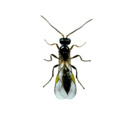
Releases should be repeated at least 3 times at weekly intervals or until control is achieved. At low temperatures ( Environmental conditions Diglyphus isaea
1888. This was the first ever example of successful classical biological control. The cottony cushion scale has subsequently spread widely through most of
the crop. Release should be repeated after 4 weeks if the pest is not controlled. Consult a Koppert advisor or a recognized distributor of Koppert products
ions to management. Sales forecasting and achieving the sales goals. Controlling the Account receivables. Building customer relations and constantly look
bottle horizontally. Reviews Chula Brand is a pioneer in biological pest control in papaya Recommended for you Predatory mites
the crop. Release should be repeated after 5-6 weeks if the pest is not controlled. Consult a Koppert advisor or a recognized distributor of Koppert products