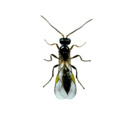
Chrysoperla carnea larvae are active mainly during the night. The larvae hide during the day. Pack size 100,000 eggs. Presentation 90 ml cardboard tube
seventh instars become negatively phototaxic and feed mostly at night and hide in the ground during the day. Damage from these instars is usually observed
leading to reduced yield and marketability. Because they reproduce quickly and hide deep within flowers and leaves, effective thrips control requires an integrated
feeding, and some larvae can also be seen on the surface. However, they usually hide within the organelle, leaving an entry hole as their only visible trace,
spots are present on the anterior wings. Adults are nocturnal and usually hide between leaves during the day. Recommended for you Plant Pests
the fungus causing powdery mildew is extremely sensitive to water and ‘hides’ on the underside of the leaves. Therefore, this is where the colonies mostly
The beet armyworm (Spodoptera exigua) is a small, nondescript moth, that hides during the day and is active only at night. The forewings are grey-brown
formed on the lower or outer leaves. They often stick to leaves and frequently hide in crevices near the bud. In cauliflower and broccoli, pupation may occur
plant-feeding mites and effective management, as their small size and tendency to hide on the underside of leaves can make them difficult to spot. Spider mite damage