prepupa, the pupa has longer, more developed wing buds and longer antennae that are curved back over the head. The prepupal and pupal instars do not feed
Eggs are usually found on the underside of leaves. They have an oval body that is rounded at the rear end. Their colour can vary from orange, light yellow
their common name is derived from. Females have a strong saw-like ovipositor that is used to penetrate the skin of the host fruit and for laying the egg into
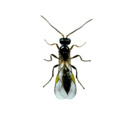
holes are the evidence that a parasitic wasp rather than a leaf miner has come from the mine. This is also seen in the pillars that remain visible as black
of 15-20 metre between traps A continuous water supply is needed to ensure that the trap works correctly. If the trap is not connected to a dripper refill
effect The presence of Diglyphus isaea in the crop is signalled by short mines that contain dead leaf miner larvae. Older larvae and pupae are visible through
the fungus Athelia (Sclerotium) rolfsii . It is an important plant pathogen that inhabits the soil, and is responsible for root and stem rot, wilting and
contains Phosphobacteria, soil probiotics and prebiotics which act as bio primer that stimulates the crop growth and root system, nutrient uptake, drought tolerance
plant sap and grow rapidly. When reproduction is sexual, the aphids lay eggs that overwinter. In greenhouses reproduction also takes place by parthenogenesis
Immature cottony cushion scales have black limbs and an orange-brown body that is coated with white and yellow wax. The adult ‘females’ are easily recognized