Pests Young larvae of various thrips species and eggs and larvae of whitefly . Crops Do not use in tomato. Mode of action Predatory mites reproduce within the sachet and gradually disperse into the cr
Pests Various species of thrips . Crops Do not use in tomato. Mode of action Adults and nymphs pierce thrips larvae and adults with their sucking mouthparts and suck out the contents. Visual effect Or
Pests Young larvae of various thrips species and eggs and larvae of whitefly . Crops Do not use in tomato. Mode of action Predatory mites multiply in the sachet and disperse into the crop over a perio
Pests Two spotted spider mite ( Tetranychus urticae ) and other Tetranychus spp., except Tetranychus evansi . Mode of action Predatory mites pierce their prey with their sucking mouthparts and suck ou
Pests Two spotted spider mite ( Tetranychus urticae ); European red mite ( Panonychus ulmi ); citrus red mite ( Panonychus citri ); other spider mite species. Crops Do not use in tomato. Mode of actio
Use Pherodis species-specific pheromones or lures to attract male moths, beetles , mealybugs and flies to traps. Pests Different species of moths , beetles , flies and mealybugs . Check with your Kopp
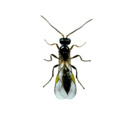
Pests Leaf miners ( Lyriomyza spp.). Mode of action Adult female parasitic wasps of Diglyphus isaea kill second and third instar leaf miner larvae in the mine and lay their eggs next to them. The eggs
Lurem-TR increases the attraction of thrips to blue and yellow sticky traps and thus ensures earlier discovery of the pest. Pests Several thrips species, such as Frankliniella occidentalis and Thrips
For trapping whiteflies, thrips , leaf miner and fungus gnats in hot spots or places where high pressure can be expected, such as along gables, ventilation windows and (other) draughty places. Pests W
Use Horiver Wetstick for trapping and monitoring of different flying insects. Pests Yellow: whitefly , thrips , fungus gnats, leaf miners Blue: thrips Black: Tuta absoluta Red: Drosophila suzukii Whit