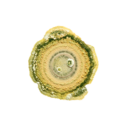
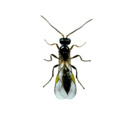
Females is capable of laying about 500 eggs. The eggs are laid in all tender parts of the plant. The freshly hatched nymphs are look like spidery in general
base and the roots, whereas the ascospores infect the above-ground plant parts. In greenhouses, usually only mycelium is produced by the germinating sclerotia
whereas Ascochyta pisi does occur sometimes at the stem base but is not part of the foot rot syndrome in peas. Infected seeds may have brown areas. Life
pheromone dispenser in the green canister and attach it to the upper central part of the trap Fill the trap with water to the level indicated If possible connect
fully grown. Pupae are greyish-brown, and 2.5 cm long. After adults emerge, part of the pupal case can be found sticking out above the soil surface. Adult
zoospores produced in the sporangia. For germination on above-ground plant parts, leaf wetness is required. Dispersal is by wind and rain causes the pathogen
production and increased pesticide restrictions. Scouting is a significant part of pest management which can assist the grower to make timely decisions and
thereon. Koppert reserves the exclusive right to amend the content or remove parts thereof at any time without the requirement to give notice. Koppert cannot [...] without the prior written consent of Koppert. You may print or download a part of the website onto your hard disc or distribute it to other parties provided
Damage symptoms of Grape downy mildew P. viticola can infect all green parts of the host plant with stomata, giving following symptoms: On young Leaves:
zoospores produced in the sporangia. For germination on above-ground plant parts, leaf wetness is required. Dispersal by wind and rain causes the pathogen