conditions Amblyseius swirskii is most effective at temperatures between 20 and 32°C (68 and 90°F). It is not effective at temperatures below 18°C/64°F
conditions Amblyseius swirskii is most effective at temperatures between 20 and 32°C (68 and 90°F). It is not effective at temperatures below 18°C (64°F)
6,000 known species. Most are harmless, some are predators, and fewer than 20 species can cause problems in agriculture and horticulture. Thrips are small
reach the same length as the body, giving an overall combined length of up to 20 mm. The 'females' are actually hermaphrodites with fertilization occurring
but has also been identified on more than 200 plant species from more than 20 families. Various vegetable and ornamental crops grown in greenhouses are
is between 15 and 25°C. At about 20°C with good prey supply, an adult female consumes up to five adult spider mites or 20 young larvae or eggs per day. Because [...] Phytoseiulus persimilis is most effective at temperatures between 13 and 27°C (55 and 81°F) and not effective above 30°C/86°F. Phytoseiulus persimilis
circular spots 0.5 -1.2 cm diameter that extend only to 2 mm in the root, up to 20-25 per carrot root. They occur haphazardly. The fungus sporulates on root
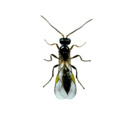
of Aphidius ervi The parasitic wasp Aphidius ervi is most effective between 20 and 25°C (68 and 77°F). This natural enemy is not effective at temperatures