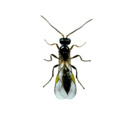
conditions The parasitic wasps are most effective at temperatures around 25°C/77°F. The lowest temperature at which development can occur is 13°C/55°F;
pest mites are detected in the crop. Introduction rates typically range from 25-300 per m2/release. Releases should be repeated if necessary. Consult a Koppert
species found in the tropics. In temperate regions they are not larger than 2.5 mm. All thrips species that cause damage in green-houses belong to the family
psyllid Adult Asian citrus psyllids are mottled brown wings insects of about 25 to 35 mm long. The adults are active, jumping/flying insects and can readily
poles, or other supportive structures Place the Rollertrap approximately 25 cm above the crop, except for the 30 cm width which needs to be placed 40
germination. In general, the development rate of the epidemic is fastest at 18-25 °C. High relative humidity (RH) promotes germination of spores but inhibits
conditions Encarsia formosa is most effective at temperatures between 20°C and 25°C (68 and 77°F). At a 24 hours average temperature below 17°C/63°F the control
favourable conditions for the development of the pathogen are temperatures between 25 and 30 ºC, relative humidity of over 90%, and a soil pH of under 7. The ideal
climate. A full-grown beet armyworm (Spodoptera exigua) caterpillar can be 25 to 38 mm in length, with dark, wrinkled stripes dorsally and a yellow band
parasitic wasp Anagyrus vladimiri is most effective at temperatures around 25°C/77°F. The lowest temperature at which development can occur is 13°C/55°F;