
Skip to content
  • Jump to:
  • Thrips
  • Damage
  • Species
  • Life cycle
  • Solutions
  • News

Biological control of thrips

Thrips are among the most challenging pests in greenhouse and field crops. Their feeding and virus transmission cause leaf deformation, silvering and fruit damage, leading to reduced yield and marketability. Because they reproduce quickly and hide deep within flowers and leaves, effective thrips control requires an integrated biological approach. Biological control of thrips combines several complementary solutions that target multiple life stages:

Predatory mites and bugs actively control thrips larvae and pupae, while beneficial nematodes target pupae in the soil. Sticky traps and kairomones support early detection and population reduction. Beneficial fungi can provide an additional line of defense. With Koppert’s biological solutions for thrips, professional growers can achieve reliable, sustainable pest management while protecting crop quality and productivity.

Biological solutions for Thrips

Filters:
Clear all filters
Show all Show less
products found:

Questions or need help?

Find a reseller

Learn more about

What are thrips?

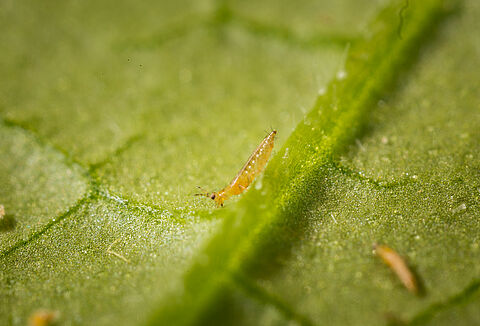
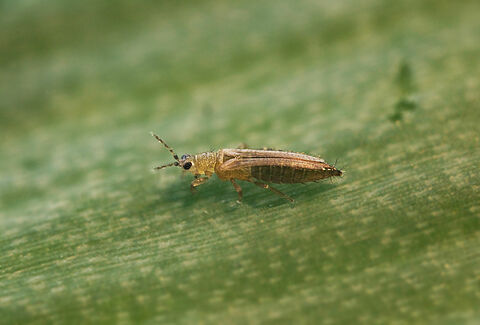
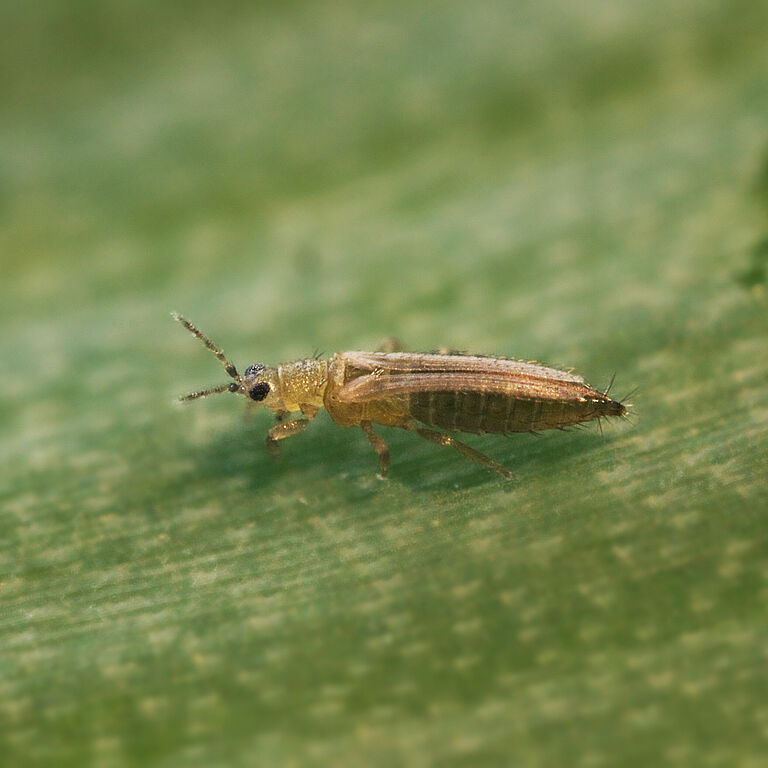
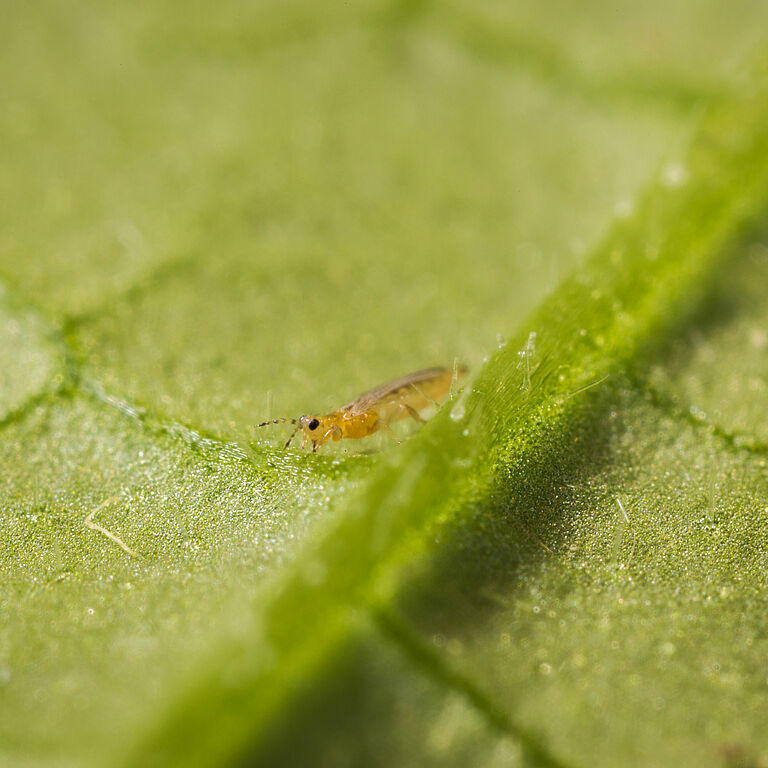
Several species of thrips are a major problem in greenhouse horticulture. The Western flower thrips (Frankliniella occidentalis) is the most damaging species. Thrips form the order Thysanoptera, a name that literally means ‘fringed wings’, and refers to the eyelash-like fringe of hairs along both edges of the thin wings. There are more than 6,000 known species. Most are harmless, some are predators, and fewer than 20 species can cause problems in agriculture and horticulture. Thrips are small insects (0.5-14 mm), with the largest species found in the tropics. In temperate regions they are not larger than 2.5 mm. All thrips species that cause damage in green-houses belong to the family Thripidae.

Thrips damage

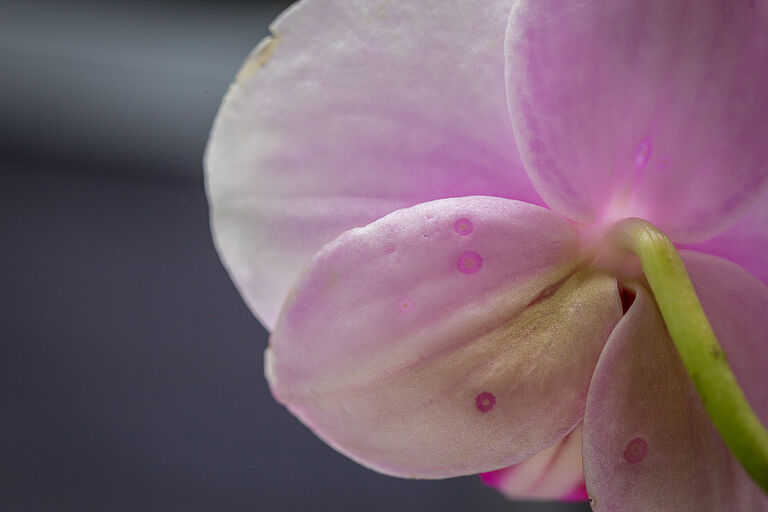
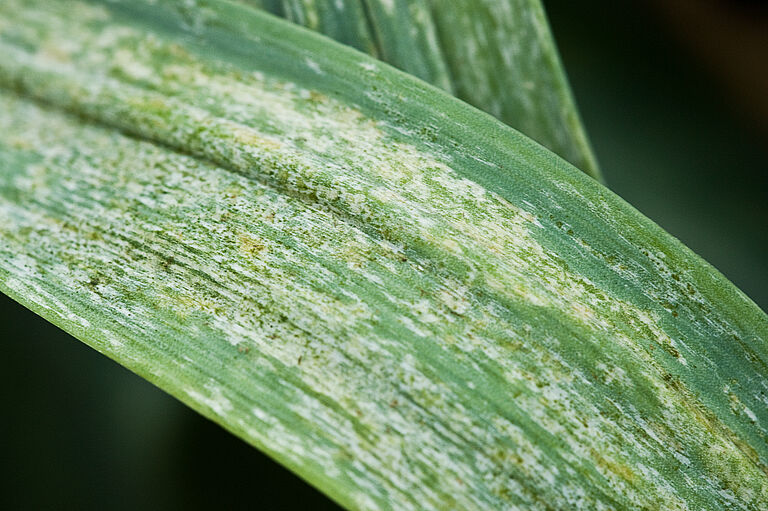
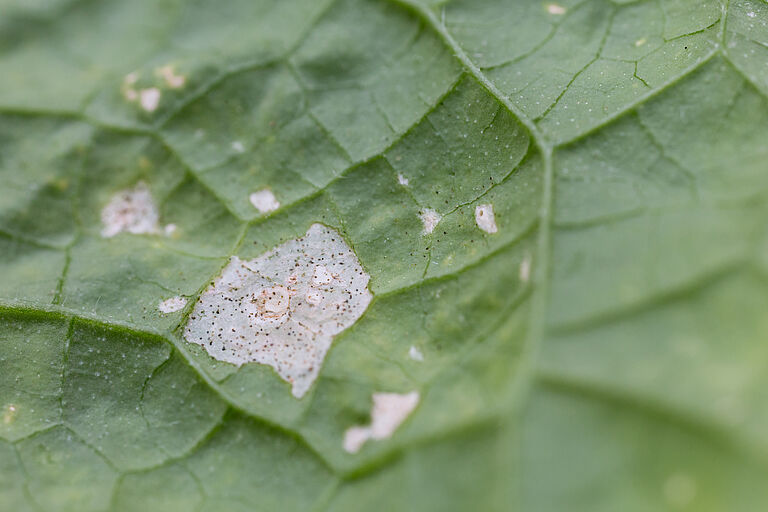
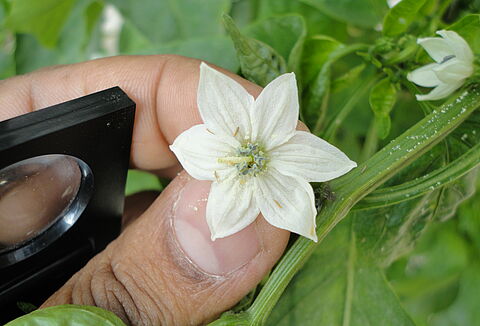
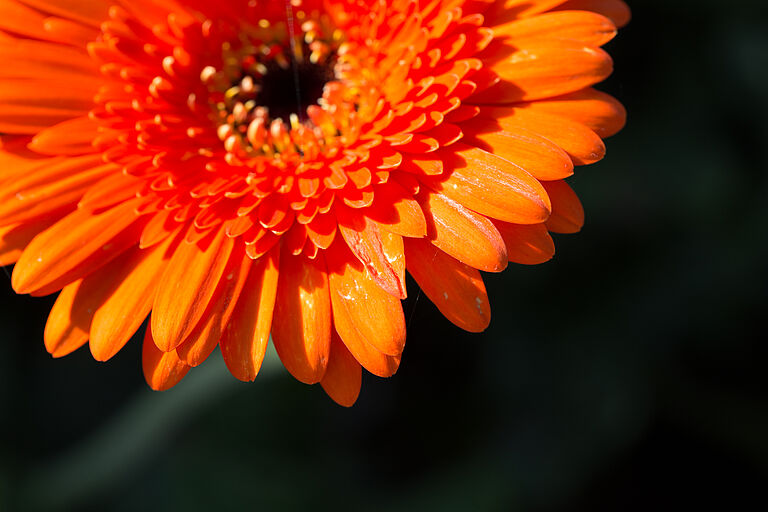
Thrips cause damage to the plant by piercing the cells of the surface tissue and sucking out their contents, causing the surrounding tissue to die. The resulting silver-grey patches on leaves and the black dots of their excreta indicate their presence in the crop. At a later stage, the empty cells become desiccated and the adjacent cells turn brown. The vigour of the plant is also reduced by loss of chlorophyll. With a serious infestation the leaves themselves can shrivel, and there can be varying levels of fruit damage depending on the species of thrips and their population density. In ornamentals, flowers can be seriously damaged, while leaves are often damaged and become misshapen. Thrips are also responsible for the transmission of viruses, the best known of which is tomato spotted wilt virus (TSWV), mainly transmitted by F. occidentalis.

Thrips species

Life cycle of thrips

Thrips control videos

Take a look at the video or go to our Youtube channel to see our thrips control products in action.

How to get rid of thrips

Need help?